







“Sweet Home Chicago” isn’t just a song: it’s an anthem. It’s a heartfelt letter to a city filled with good times and tangled history. For anyone who’s ever felt a pang of nostalgia or joy at the mention of Chicago, this tune resonates deeply. Why? Because it combines blues, soul, and a vibe that can only be described as home. And let’s be honest, who hasn’t used the phrase ‘sweet home’ to describe their ideal retreat? With a mix of humor, warmth, and knowledge, this article will explore the enchanting lyrics of this classic track and peel back the layers to reveal its richness. So grab your favorite drink, perhaps a Chicago-style deep dish, and let’s immerse.
Overview of “Sweet Home Chicago”
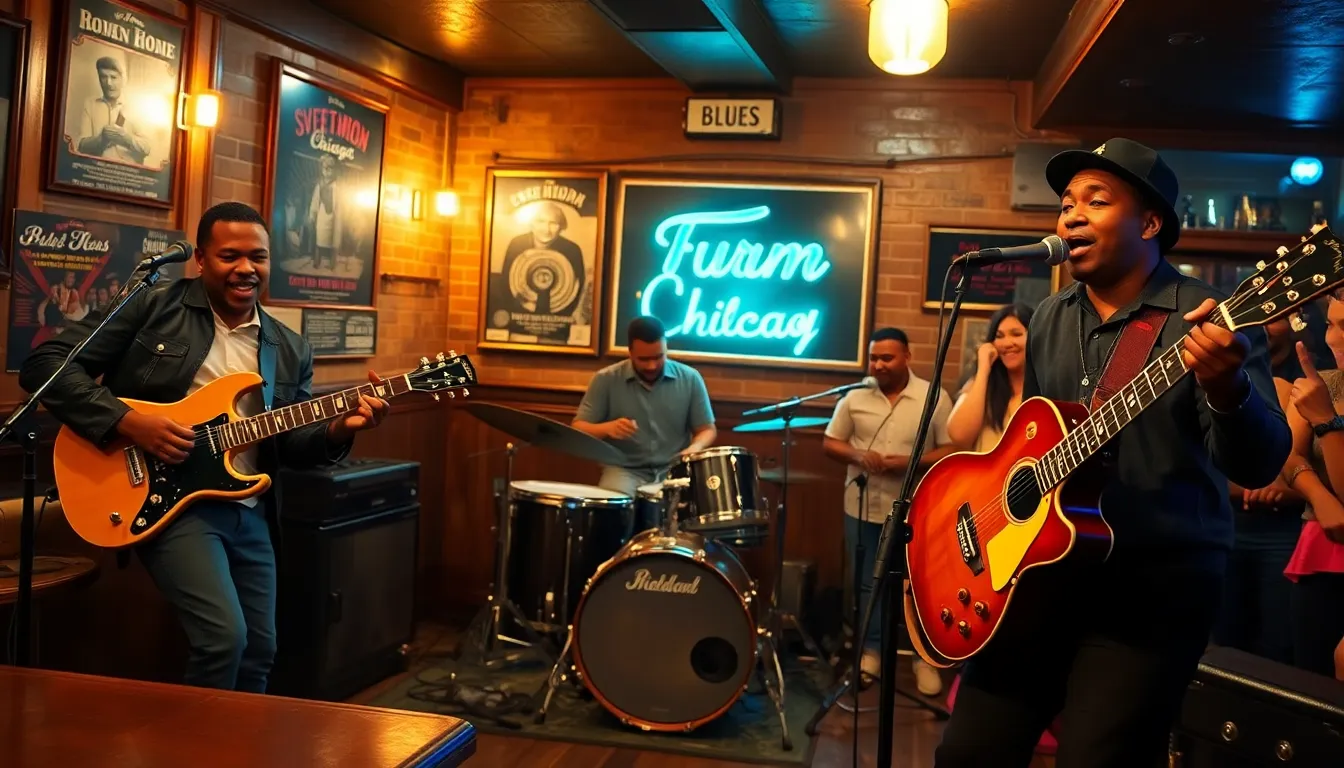
Originally popularized by Robert Johnson in 1936, “Sweet Home Chicago” has become a staple within the blues genre throughout the decades. It’s one of those songs where the beat instantly makes you feel like tapping your feet, and the lyrics? Well, they paint a picture of longing and belonging. With its repetitive refrain, it’s hard not to join in and declare this city as your own too. Johnson’s version showcased a rawness that made blues music relatable and accessible. Since then, countless artists have covered it, giving it their unique flair, but the soul of the original remains captivating.
Even today, the tune flows through bars and guitar shops with the same tenacity it had back in the day. It stands as a testament to the power of music to bridge generations.
Historical Context of the Song
To fully appreciate “Sweet Home Chicago,” one must understand its roots. Emerging from the economic challenges of the 1930s, the song reflects the struggles of many African Americans migrating north in search of jobs and better living conditions. Chicago, a beacon of hope amidst the backdrop of the Great Migration, offered opportunities that weren’t accessible in the South.
Blues music often serves as a mirror to societal issues, and this song does precisely that. It encapsulates the dreams of those who sought refuge in the Windy City and the bittersweet nature of their journey. The lyrics evoke feelings of both optimism and loss, representing a generation striving for a sweeter life.
Lyrics Breakdown and Analysis
When delving into the lyrics of “Sweet Home Chicago,” one can’t help but notice the vivid imagery and emotion embedded within. The recurring phrase, “Sweet home Chicago,” reverberates like a warm embrace, giving it a familiar, friendly feel. Each verse unpacks a mix of yearning and nostalgia, as the blues masterfully encapsulates a longing for home.
Take the first verse as an example. It introduces the listener to a journey, particularly the search for a place one can call home. The use of the phrase “going to Chicago” signifies hope and anticipation. But it’s more than just geographical, it’s about finding belonging amid turmoil.
As the song continues, the references to the city’s streets and community form a rich tapestry that draws you in. The dialogue embedded within the lyrics creates theatre, showcasing the personal struggles and triumphs of individuals seeking a better life.
Cultural Impact and Legacy
The legacy of “Sweet Home Chicago” transcends its lyrics and melody: it’s woven into the very fabric of Chicago’s identity. Its significance stretches beyond mere entertainment, as the song has been embraced in various cultural contexts. One could argue that it acts as a soundtrack for the city’s story.
Local References in the Lyrics
Much of the song’s charm lies in its local references. The mention of specific locales resonates with Chicagoans, both young and old, bringing back memories of barbecues, jazz festivals, and strolls by Lake Michigan. These references create a sense of camaraderie among listeners, as if they’ve shared those moments together. It’s a delightful way to unite people under a banner of nostalgia.
Musical Influence and Style
Musically, “Sweet Home Chicago” showcases the quintessential features of the blues: emotion-driven lyrics, a steady rhythm, and unmistakable guitar riffs. The song’s structure is designed to invite improvisation, allowing guitarists and vocalists to infuse their style, making each performance unique. It also brings forth the call-and-response tradition that defines much of African American music.
From classic blues to rock and roll, its influence can be seen across genres. Renowned artists like Eric Clapton and The Blues Brothers have covered it, introducing the song to new audiences and ensuring its timeless appeal. In essence, it’s not just a song about Chicago: it’s a musical journey that connects listeners universally.